
Cheap date, with possibility of oral.
Originally appeared on Quora.
Cheap date, with possibility of oral.
Originally appeared on Quora.
Neither.
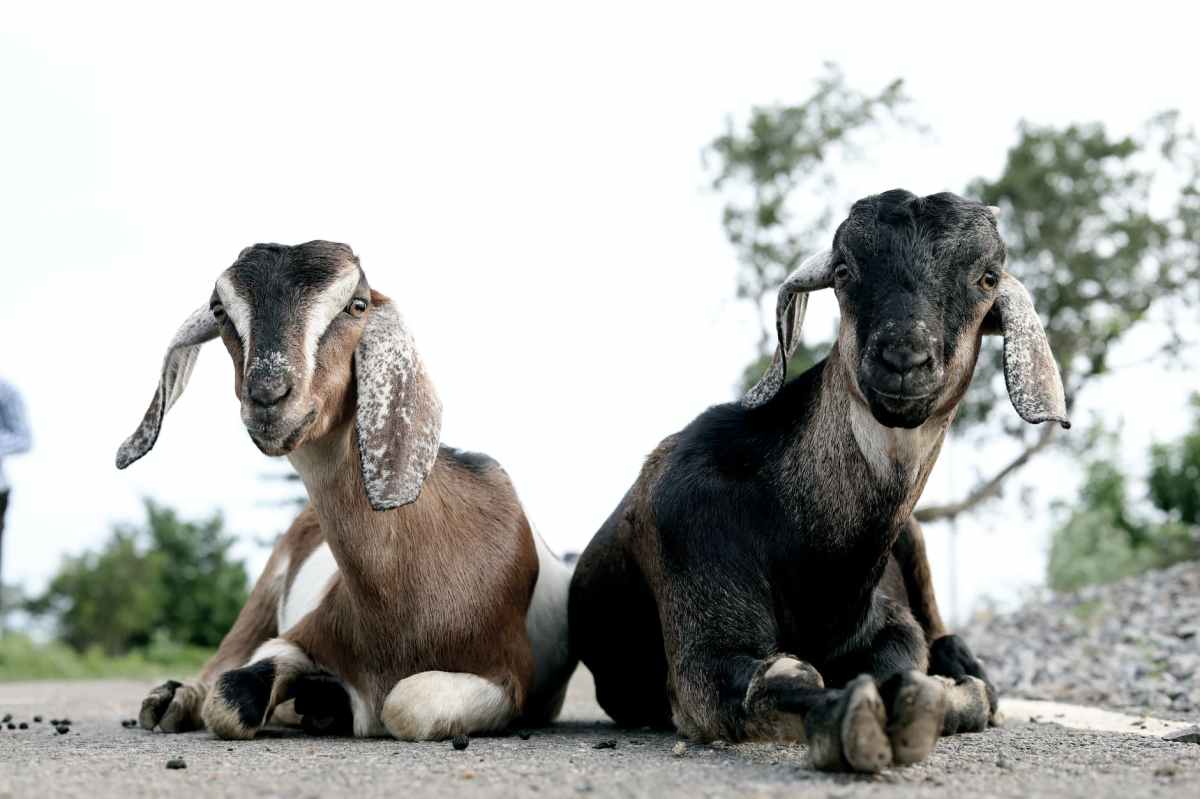
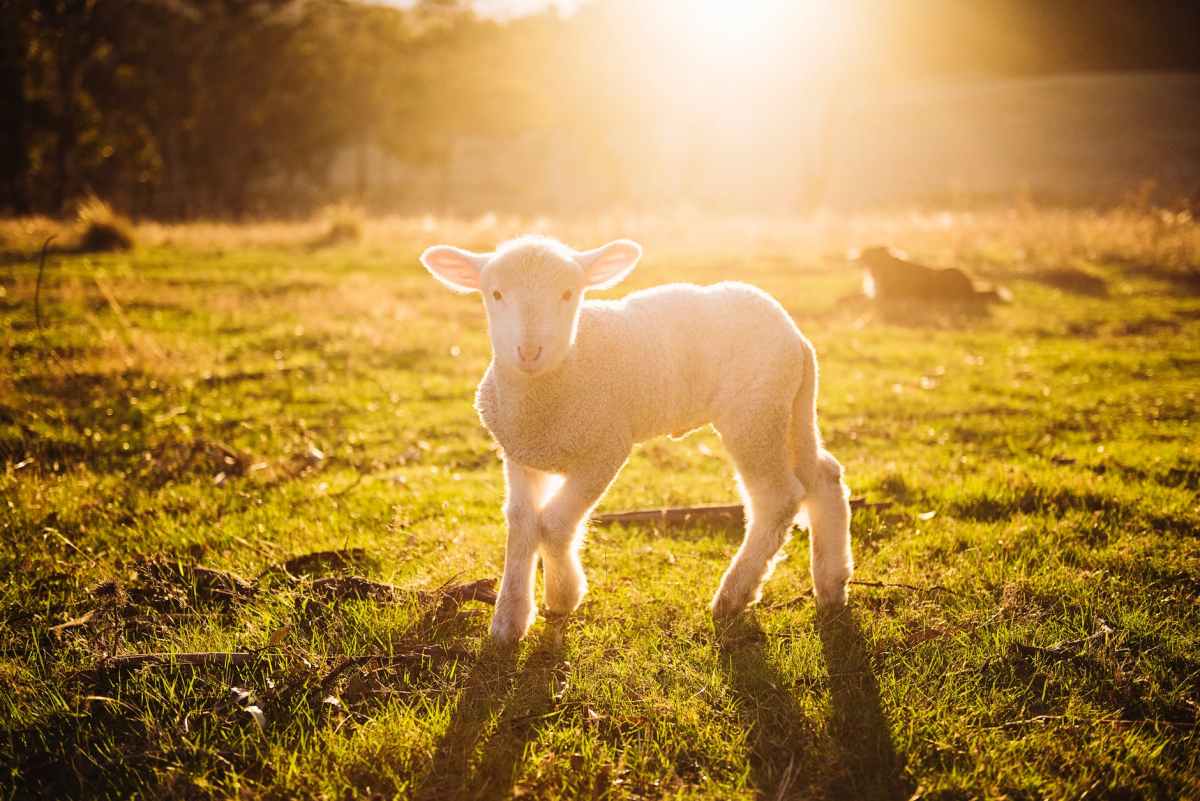
They shouldn’t be pets, and sheep in particular are better served in flocks. Goats too, but I’ve known some goats kept singly or in pairs that don’t suffer.
Personally, I prefer sheep, because, wool. Also, regularly handled, they’re tremendously affectionate, like dogs:
Goats eat and wreck everything and will knock you over as soon as look at you.
Originally appeared on Quora.
Because humans don’t notice sheep peeing when they’re not walking by.
Originally appeared on Quora.
I suffer terribly with the cold. From September/October to May/June/July, I am bundled up in thick layers of thermal underwear, light under-layer, jumper and corduroy or tweed trousers, two pairs of socks, felted slippers/fur-lined boots, and often a hat, shawl/blanket and glove combo on top. That’s me sitting in front of the fire. There’s more insulation needed to get me out of the house.
However, for a few days between May/June/July and September/October, it is toasty and warm outside. On those days, I skip outside in a single layer of cotton or linen. Barefoot! Bare-headed! I feel so light that I might float away like a dandelion clock, young and giddy. I am occasionally tempted to dance, but I keep that to my back garden for fear of scaring the neighbours and livestock.
Thus it is with our woolly friends. They are denuded of their heavy, uncomfortable winter attire, and frolic sky-clad in the sun:
Shearing is usually conducted in spring. Sometimes, the weather is still a little chilly, so shepherds will house shorn sheep or give them little coats to wear while they adjust:
NB: in case you don’t get it, the lady speaking was being sarcastic about the cruelty of shearing.
Shearing is expensive. An experienced UK shearer can earn around £400 (€450/US$550/AU$730) a day: £50 per hour, shearing 25–30 sheep an hour. That’s a massive outlay for a farmer who may have had next to no regular income since the previous autumn. You don’t waste that money shearing an animal for slaughter. Far better to send the sheep unshorn for slaughter, and possibly have a sheepskin to sell to the tanning industry. I’m not well up on the prices realised by untanned sheepskin, but after processing a sheepskin can command upwards of £100 each.
In the UK, the Wool Marketing Board is the only buyer of fleeces from most herds*. They will pay as little as £0.50 per fleece – a fleece that cost around £2 to shear. There is no incentive to farm for fleece: some have been known to throw it away.
OTOH, there’s no incentive to mistreat animals if you do farm for fleece. An ill-treated animal will be skittish and unmanageable at the next shearing – and will probably recognise a bad shearer again, too.
* – Hobby farms with up to 4 sheep, and some rarebreed protection farms are exempt, as are Shetland farms. Some hobby farmers and rarebreed farmers sell their fleeces to handspinners. Depending on the breed, in the grease prices can be anywhere from £5 to £30 per fleece, while scoured fleece runs from about £10 upwards. Fully prepped tops, ready for spinning, can be anywhere from £4 per 100g to WHAT THE EVER LIVING FUCK!?!?!
(Actually, Hilltop Cloud isn’t that expensive – it’s just where I did my most recent fibre purchase. Try vicuna.)
The same way a hairdresser can cut your hair without hurting you, or a barber can shave you without hurting you.
Originally appeared on Quora.
#Ophelia
I feel ya
Are not taken serya
-Sly. North or in Éir-ia
We don’t seem to fear ya.
The kids are deleria
-S, the memes are hilaria
-S, our preppers plan enebria
-Ted parties to cheer ya,
While Americ-ya Prays for ya,
Erin goes “Bromaire –
We’ve a laethanta saoire,
#Ophelia
Ya hoor ya
Come blow us awayyyyy”
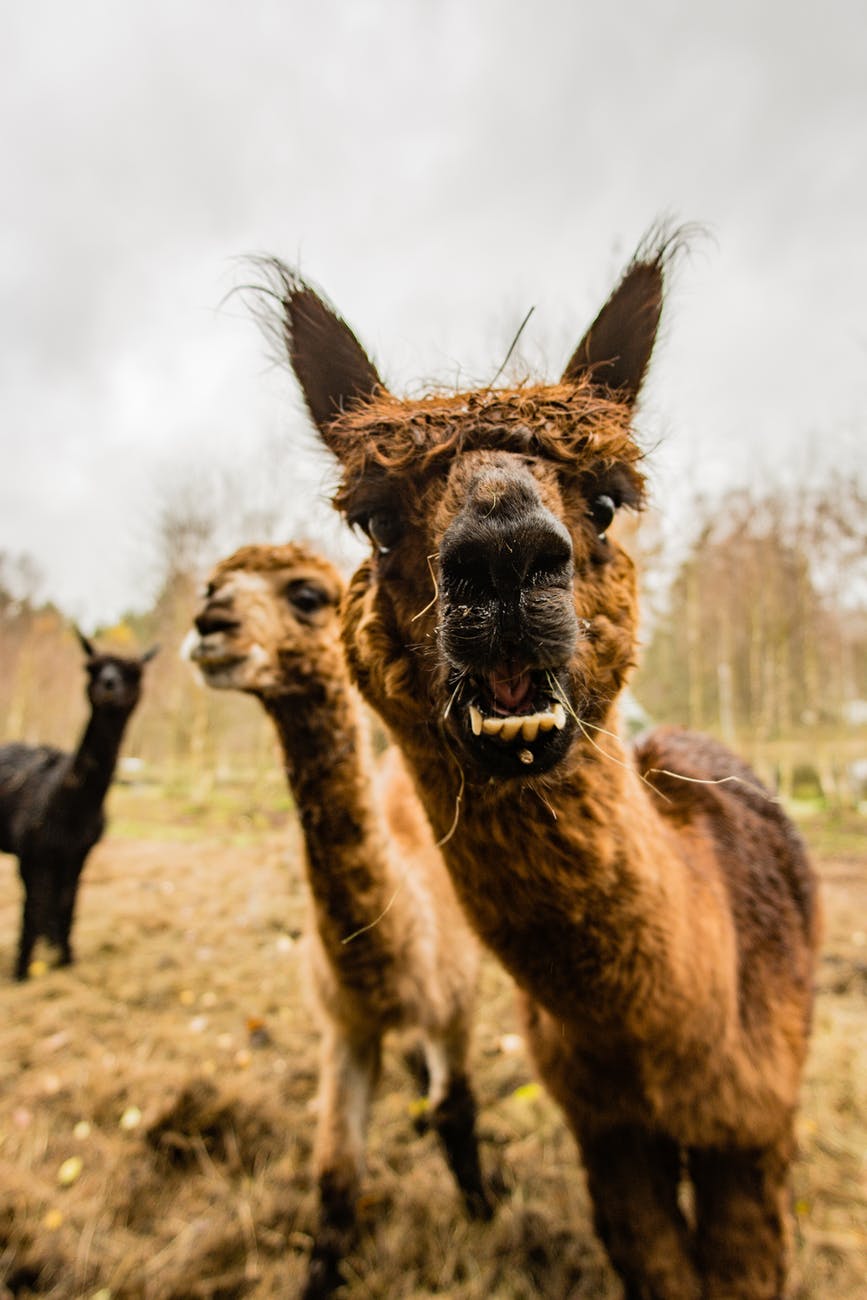
Llama! LlamaLlamaLlamaLlamaLlamaLlamaLlamaLlamaLlamaLlamaLlama…
Seriously, if you know of a homeless llama, send it my way. Llama wool is gorgeous…


Look how these natural shades GLOW:

And when it’s dyed, you get this:

Or you can knit scrummy warm things like these:

And they look like John Taylor from Duran Duran


Originally posted on Quora.
There are plenty of polyester– and other plastics-based substitutes for woollen fabric of all types.
They are usually sweaty, often dry-clean only, and melt or burn easily if ironed. Indeed, they’re often flammable, and are generally not recommended for children’s wear because of this. Many are derived from fossil fuel byproducts or from highly-polluting chemicals, and are non-biodegradable. They do not have the same warmth as wool of a similar thickness, and, unlike wool, are not usually showerproof without additional chemical coatings.
They are usually cheaper than the wool equivalent, though, so there’s that.
Originally posted on Quora.
Yes, and there are nearly 400 commercially-available yarns which combine yak and silk, of which 76 are blends of yak and silk only. The usual fibre to which they are added is (sheep) wool, where proportions can be as little as little as 5%. In yak-silk blends, the proportions are generally 50:50, or 55:45.
Yarn weights vary from Thread, such as Treenway Silks’ Silken Fog (1,527 m per 100g), to Worsted (slightly thinner than Aran weight yarn), such as Lotus Yarns’ Cathay 4 Streak (165 m per 50g).
Originally posted on Quora.
If you mean raw wool, it often depends on the level of care by the farmer. Some shepherds I know wash their sheep regularly – well, more than once – while the fleece is growing, others don’t bother. Imagine you wore the same sweater for a year: you sleep in it, you exercise in it, and once in a while you stand in the rain in it. It would stink, right? Same deal when that sweater is still growing on the sheep, except the sheep also poop and roll in mud in their fleece.
Lanolin, a thick yellowish grease with a strong smell, is another source of the sheepy odour. Different breeds have differing levels of lanolin, and there can be wide variations within a breed depending on grazing, age, sex, whether a ewe has lambed that year, etc. Some mills remove some or all the lanolin, while others make it a point of pride to retain as much as possible. I personally don’t find lanolin to be an offensive smell, and it doesn’t bother me to work with wool ‘in the grease’. Lanolin is a component of many moisturisers, so it’s lovely for my hands. My mother won’t let me in her house if I’ve been working with greasy wool, though – the smell gives her the dry heaves.
A third source of smell is urine. Specifically, horses’ urine, if I recall correctly, though I’d imagine any large, regular source, such as cattle or human, would do at need. Historically, stale urine was the go-to cleaner for raw wool, and the finest tweeds were dyed using urine as a mordant (fixative). While these have largely been replaced with manufactured chemicals, urine-cleansed or mordanted wool can give off a distinct whiff of wee when damp, or if the wearer gets a little sweaty. It is alleged that the British House of Lords, where a substantial number of the Hereditary Peerage wear their historical tweeds, often honks like a dunny in the sun.
Originally posted on Quora.


 thornmaiden.com