The black+yellow=green has felted enough to stay a single. Yippee! Even better, it measures 382.6m/418.4yds according to my EEW yarn counter, so it’s a laceweight!
Yesterday, once the B+Y=G was off the spinning wheel, I started another Tub of Joy. This one is mainly bleurgh – sorry, blue – with yellow, orange and purple. I broke off hand-sized chunks to spin, then separated half the chunks into mostly blue, mostly yellow and orange, and mostly purple. I then alternated between whole chunks and separated chunks when spinning. I did have some kind of a plan for spinning the separated chunks in order of yellow/orange, then purple, then blue, but I may have forgotten the order a few times. But the result reminds me of the beach at Rossnowlagh!
I think I’m going to full this as a single, too, and I might design a wee shawl with it. I suspect the meterage is going to be greater than B+Y=G as I was playing bobbin-chicken towards the end.
Today’s #teamwow challenge was to push yourself out of your comfort zone – so I slipped the drive band onto a smaller whorl! IT’S SO FAST! But weirdly much easier.
I woke up stupidly early this morning. Rather than potter about doing nothing much, I started spinning my Hebridean/bio-nylon custom blend which I haven’t touched til now, at this higher speed. And somehow it seems to suit me better! It’s like the extra speed matches my drafting, and it just flows better. I was expecting to spin finer, because that’s what all the experts say – use the smaller grooves in the whorl to spin a finer yarn – but I wasn’t expecting it to be so smooth and free from lumps:
Bobbins containing: black Hebridean/bio-nylon blend; and The Big Orange Batt which has recently informed me that it wants to be the weft in a woven stole, with cotton string, if you please, as the warp. Tassels optional, as long as they’re mangy and look like a 3 year old made them. I… don’t know how to weave.
My Traddy’s flyer has only 2 grooves on its whorl, though I’ve read that it should have 3, and a quick shuftie on Google tells me I could get a 4-speed replacement flyer. Hmm… I do have a birthday coming up. Though I did intend to surprise myself with an Electric Eel Nano… And then there’s the lovverly Shiels wheel I’m watching and salivating over…
I skeined the Tub of Joy single, and it’s soaking as I write. Here it is just before I submerged it:
So pretty…
So pretty, in fact, that I’m tempted to leave it as a single. Currently perusing The Spinner’s Book of Yarn Designs for info – and kinda regretting that I didn’t switch to the smaller whorl before I spun this. BRB…
Annnnnd I’ve tried fulling the single as described in SBYD, plunging it successively into hot, then cold water. Of course, it might not be an animal fibre (though I’m pretty sure it’s merino/silk), or it could be superwash-treated, or I might just have made myself a pretty brick <:-(
Tous les jours à tous points de vue jevais de mieux en mieux. Via a series of catastrophes, of course.
I blundered into contact with Becks, who runs the channel, via the Facebook Tour de Fleece page, when I posted about my Shapwick Blaise wheel. She replied, as she has one that’s fully operational – she’s blogged about it, and uses it regularly in her videos. I think her spinning vibe jibes with my own – less interested in art yarns, more in breed-specific and/or purposeful spinning. Okay, I’m generalising from my knitting tastes to spinning, as I can’t really claim to be a spinner yet. Becks has a lovely calming manner and voice, although that can change when her felines overlords, Saffy and Dexter, commit cat-rocities during filming! She explains things in such a simple way, even if she’s demonstrating something that’s relatively new to her, that I feel like I could almost follow along. I’m not going to try just now because I’m concentrating on developing spinning “habit”, but I can see myself going back to specific videos on, say, spinning singles and treating them like a live workshop.
I’m having ideas about Peigín, my Rappard Wee Peggy wheel. Looking her over the other day, I can see a need for some serious TLC which will require a fair bit of research into woodworking, restoration, etc. Possibly enough to blog about, or otherwise document the process. I’ve also decided to set her up as a double drive wheel, rather than risk drilling holes into her for Scotch tensioning. I’ll then have Peigín as a double drive and the Ashford Traddy as a single drive. Not sure what to do with Blaise as she could do either, but I suspect that will take longer to sort out than Peigín.
Today’s challenge is to photograph my spins to date from the highest point I can, so after redding up (for I am not a domestic creature), here is my handspun from the top of my staircase:
That’s it, in the green box. Whaddaya mean, you can’t see it!?!?!
Close-up of the same box
I am continuing to spin from my Tub of Joy today – nothing more to say on that.
I got an email via Crowdfunder about a project I supported, Fibre to Fabric, which aims to bring back the Northern Irish linen industry. They’ve achieved their goal, but are continuing to collect donations if you fancy supporting them too.
I’m a wee bit peeved at the use of the term “Northern Ireland” in their blurb, as it was more correctly the Ulster linen industry brought to Ireland originally by Huguenot refugees, so it predates Northern Ireland by a couple of centuries. Many farmers all over Ulster and further afield grew a little flax that went into these linen mills. In my genealogical researches, I found that my father’s ancestors were amongst these suppliers, probably to Herdmans’ Mill in Sion Mills. In fact, we employed a couple of women to pre-process the flax: the census lists Cathrine (sic) Cavaney/Cavanagh/Kavanagh (they weren’t too worried about spellings back then) and her daughter Ellen, employed as scutchers. I should have realised there had been some flax grown on our farm, as there was until recently a pond called the “linsteep” at a distance from where the houses were, clearly to be handy for retting the flax whilst simultaneously keeping the smelly process away from the occupants. Though they don’t seem to have been concerned about smelly byres, henhouses and piggeries they built on the farmyard right next to the houses…
Today, I ordered a sign for the door of my craft room:
So now I really CAN go there!
That was the theme of #teamwow’s challenge today – spin what makes you happy. So I continued with my big orange batt, spinning 3 sections:
Happy shiny
And then, because it was appropriate, I broke open one of the Tubs of Joy from World of Wool. This one made me yell with delight when I saw it – it’s black, with some greenish-yellow shiny fibre (maybe silk?) through it. A bubbling witch’s cauldron of a blend. Amazeballs.
I put on a playlist of beginner’s spinning videos by Tiny Fibre Studio, and started spinning. For a change, I wasn’t fully focussed on the spinning because of the videos, and after reading some of the TdF posts on Facebook I was treadling barefoot. I’m not sure if either or both affected things, but I suddenly realised that I was treadling like the hammers of hell, and whipping out fibre from the draft. Suddenly, because I’d watched 2 or 3 vids by then, and there was no sign of any yarn on the bobbin.
Because it was so tiny and skinny that it couldn’t be seen from my viewpoint.
And it was the most sublime green:
This is my favourite green!
It took AGES to fill it this far! There are short runs of barber-pole black and green, but isn’t it sublime? Like one of those poisonous Amazonian tree-frogs! So shiny!
Sadly, it must have been a discontinued colour, as there’s nothing like it on the website. Boo. Still, there’s 50g in a Tub of Joy… what could I make with that?
Somehow I’ve lost a day – this is supposed to be the French breed challenge day, which I did yesterday. Or did I count the Rest Day as a Stage? That’s more like it. I have no interest in watching sports (playing sports, yes, watching, no) so I amn’t familiar with how the Tour de France works…
So, with a day in hand, I’d like to introduce my 3rd wheel! Peigín is a Rappard Wee Peggy which I also picked up soooo cheap as an unsold lot in a local auction house.
Peigín
Like my Blaise, I’m not sure how a New Zealand wheel came to Fermanagh, but the Wee Peggys were posted all over the world – in part because they break apart for easy packaging. There’s a possible serial number, 295680, under the table:
and a very faded handwritten date under the treadle above the printed maker’s mark, of which I can only make out “4/7”:
The wheel joints tell me this Wee Peggy was made after 1976:
This saw-tooth joint appears on Peggys from 1976
So, April 1976, 7, 8 or 9?
Peigín is complete apart from the brake band, which seems never to have been installed – no hooks on the mother-of-all to run the filament through, or even screw holes. Even the orifice hook is in its assigned place on the table! There’s a little damage to the wood in places, and the bobbin in the flyer has clearly struck something with force at one time, as it’s missing a chunk of flange. I have ordered a brake band kit, however, even if it arrives in time, I doubt I’ll be spinning on it during this TdF. Some of the joints are coming apart, especially on the three-part flyer. I’m going to have to carefully take it apart, clean it, feed the wood, and perhaps glue it back together where the joints have shrunk too much.
The plied black alpaca is skeined up and in the wash:
But I do have a tiny amount – 20g or so – of fibre from a sheep with a French name:
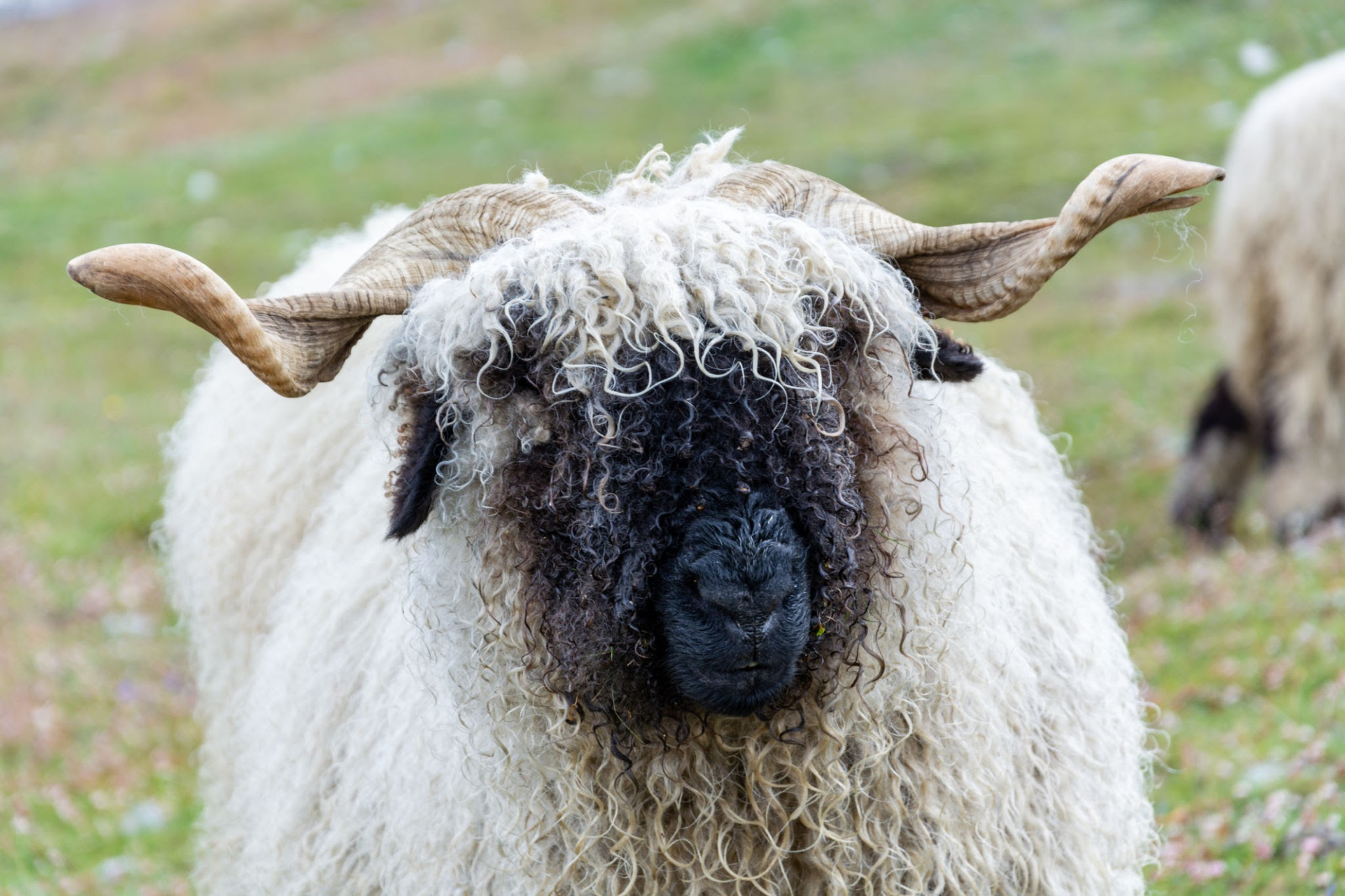
Valais Blacknose sheep. Okay they’re Swiss, but they’re French Swiss.
I got this even after hearing things about this sheepiest of sheepy sheep. Specifically that this paragon of sheepdom, this avatar of sheepiness, this apotheosis of Ovidae*, has, well, shit fleece. Despite appearing to be the Living Epitome of Fluff on Earth, its wool is coarse, abrasive and frankly worthless for anything but pot-scourers, though you’d probably want something that was kinder to your hands…
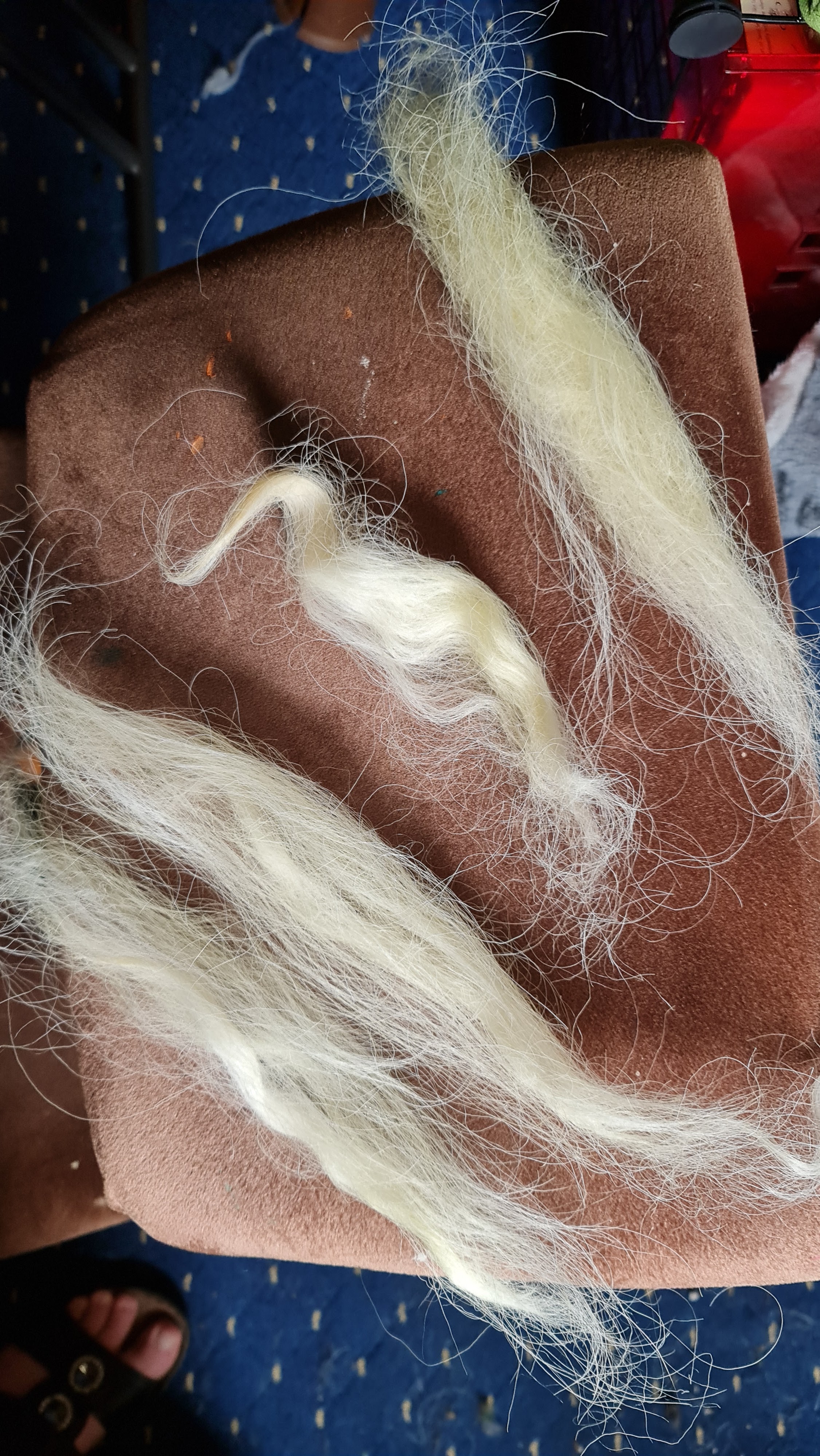
20g of Valais Blacknose raw fleece, washed and split into sections for spinning
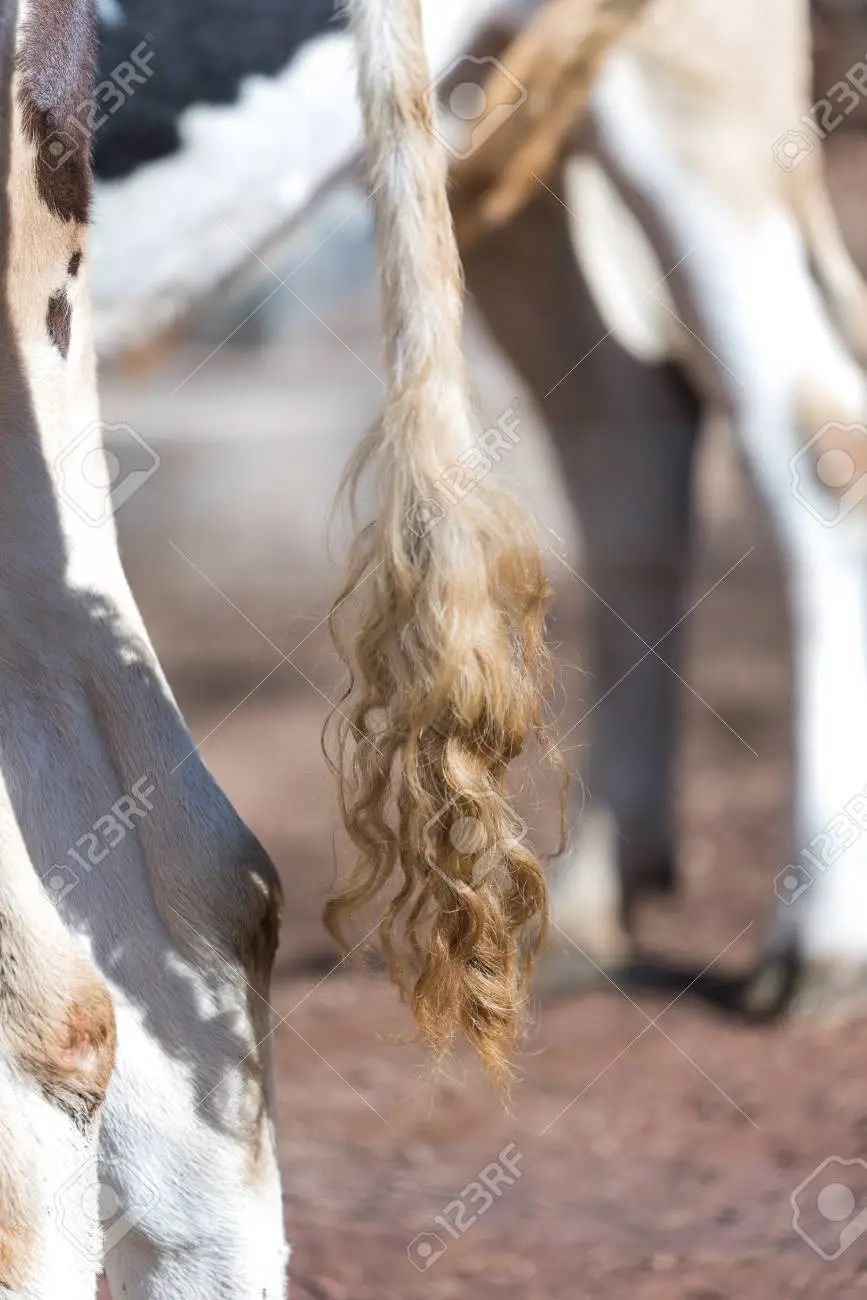
Knowing all this, I still went ahead and bought some. I do not have a pic of it when it arrived in the post, but, take it from me – I know whereof I speak – it came out of the envelope looking like the hair from the end of a cow’s tail:
Like this, but slightly less smelly
On first touch, it was rougher than a cow’s tail. Washing did nothing to improve the feel, it just made the individual hairs sprout out of the locks. I even tried my intensive moisturising hair conditioner on it – nada. The locks do have a bit of a curl to them, but it’s really just the last inch or so that curls. The rest is straight, inelastic, and utterly lacking in crimp. It looks, feels, acts like … hair. I don’t get how a sheep breed developed for the Alps has fleece so lacking in downy goodness.
Nevertheless, I spun that sucker. It spun surprisingly easily, without trying to tangle or felt in the hands. The individual hairs are quite thick: I tend to spin finer singles, but this is the first occasion where I’ve been able to count the individual hairs in one of my singles:
EIGHT hairs. Count them.
I would not use it for anything that gets closer to your skin than a hat-veil – it’s quite stiff and unyielding, so it may have suitable sculptural qualities. Spun thicker, it might have uses in some housewares (net curtains?), cordage, or basket-weaving. I plan to try Irish lace crocheting with it.
One positive from the experience – this could be a good fibre for teaching spinning. The fibre moved very smoothly through my hands without tangling or bunching or sticking to itself like normal wool does (or is that just me??!), and there was no problem keeping the twist out of the fibre supply. As a result, I got to practice a few different drafting techniques, including the dreaded long-draw that I messed up a few days ago. These would make Valais Blacknose a good practice fibre for a novice spinner, even if it’s overall a disappointing spinning experience.
Aside from that, I plied the two bobbins of black alpaca I worked on earlier, and started spinning a crazy batt that I think I got at Yarnfolk. It’s huge – about 50cm wide and 70cm long! I had a long think about how I wanted to spin it, looked at loads of tutorials, and finally decided to tear more-or-less uniformly coloured sections off it. There’s still substantial quantities of other colours in each section, so it’s not just going to be long runs of boring stripes. I finished one section today, basically orange, but transitioning through gold, brass, red and brown – and it’s so pretty on the bobbin! I’ll probably 2-ply each section to maintain the basic colour, then maybe make a basic shawl like Revontuli with it. Pics tomorrow!
Allons-y!
*: yes, yes, it’s Bovidae, but that calls to mind cattle, not sheep.
I wasn’t going to bring this out til near the end, but #teamwow’s challenge today is to spin a plant fibre. Bonus points if it’s a fibre from your garden. Soooo…
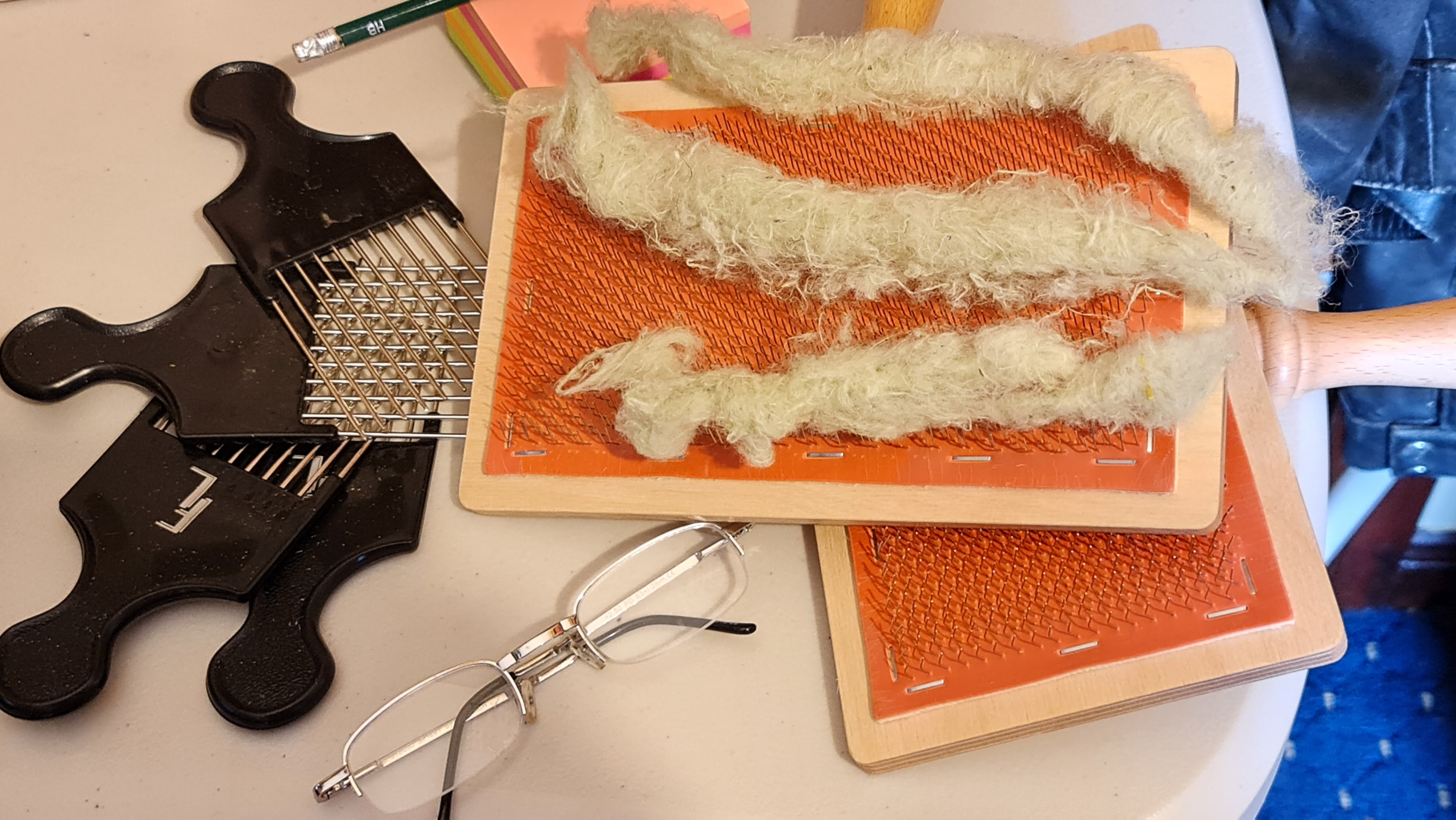
Carded rolags – I use the hair picks in pairs for combing fibre
Can you guess what it is?
Thread on my Takhli spindle, Tosh.
Does this help?
The Wild Swans
It’s nettle fibre!! Picked, de-foliated, stripped, bashed, dried, scutched, hackled, boiled in washing soda, dried again, and finally carded all by yours truly. I have been following experimental archaeologist Sally Pointer for a while now, finding out the many ways to process bast fibre (the outer ‘skin’ on the stem) from a variety of plants including nettle. This fibre is about 1/5 of the crop from about 100 dried green-stemmed nettles from the clump at the top of my garden (well, it’s really a field, just with some flowers in one part). The rest is soaking in washing soda for a week and will then be divided into combed-only and carded-only, to see if that makes a difference. I also have another 100 red-stemmed nettles from the bottom of the garden, which were processed differently – I stripped the bast off when the nettles were fresh, not dried – and are still drying. I plan to do a few other experiments this year to see what works best for my purposes.
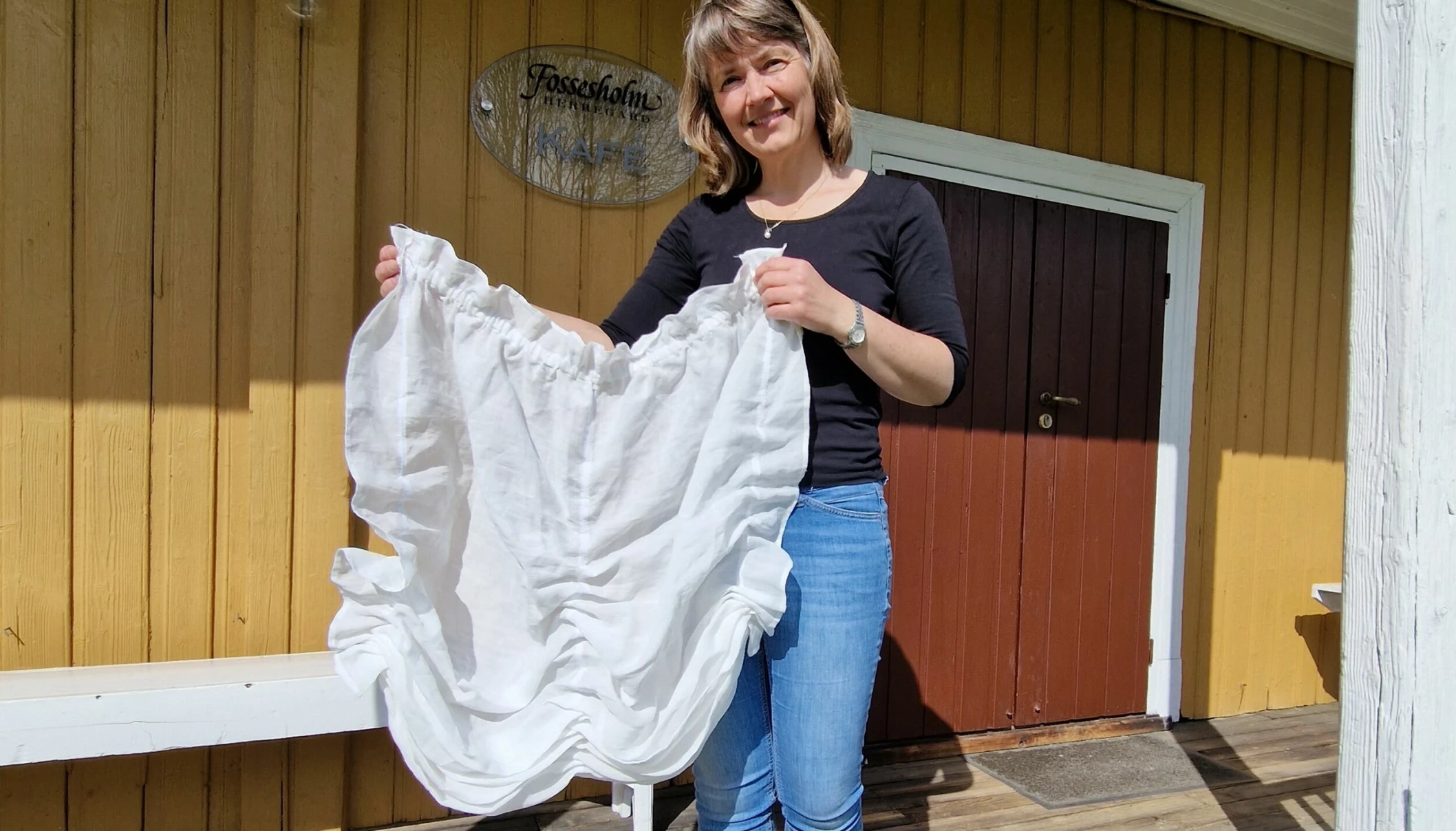
And what are my purposes? I have become a wee bit obsessed with producing the finest possible fibre from my nettles – the kind used in expensive textiles known as ‘Nordic silk‘.
Nordic silk curtains found in Fossesholm Manor, Buskerud, Norway (Photo: Nina Kristiansen)Nettle wedding dress, National Museum of Denmark.
No, I’m not planning a wedding dress. But a little lace scarf would be nice.
This experiment was not very successful. The boiling was probably too harsh, breaking down most of the fibres to fluff, leaving just enough whole bast fibres to spin into a rather thick twine. Still, plenty more nettles in the garden!
FAQs
Yes, they do sting. But, like rambunctious dogs and snotty teenagers, they are best handled firmly. Grab the nettle at the base in one hand, clamp your other hand firmly on the bottom of the stem and pull the stalk through. At a pinch, you can use something to cover your hands for protection, e.g., kitchen gloves, plastic shopping bag, etc.
No, you shouldn’t make soup/tea/beer with the leaves you’ve removed. Older leaves have tummy-upsetting chemicals – but they can be added to your compost. If you wish to consume your nettles, get them early in the season, before they’ve flowered. Don’t throw away the seeds! They’re very nutritious – if you don’t eat them, leave them out on your bird table.
Nettles are best harvested for fibre after flowering and when the lowest leaves begin to turn yellow. However, useable fibre can be harvested from dead nettles that have over-wintered. Choose tall nettles with no side-shoots.
The fully-cleaned fibre is white – I was just in a bit of a rush!
Today’s #teamwow challenge is to spin a dark natural fibre, so I’ve dug out a black alpaca roving I purchased at my first-ever Woolfest in… 2014? I don’t know why, as I had little intention of spinning then but it was the first time I’d even touched alpaca so maybe that was it. My intention after another day of grey Herdygurdy yesterday was to spin something colourful a wild orange-gold-black-grey-neppy* batt I picked up at the inaugural (and so far only) Yarnfolk festival in Whitehead, Co Antrim, just up the road from my first alma mater, the University of Ulster at Jordanstown (the old Ulster Polytechnic). I was slightly nervous about spinning alpaca, as I’ve heard it’s slippery and hard to handle, but so far so good.
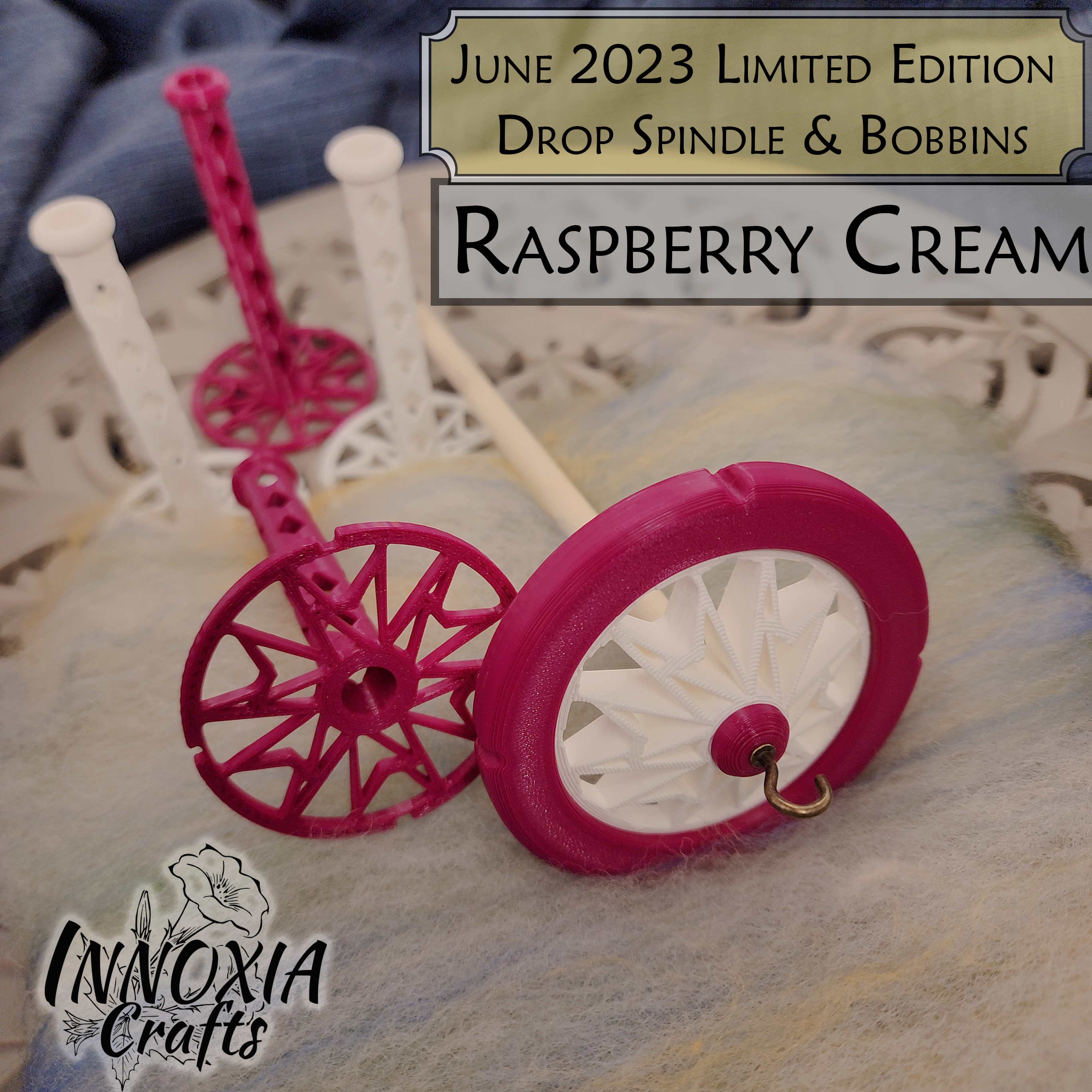
In today’s post, I received a new spindle from Innoxia Crafts in Canada! If u don’t know about these spindles, they are 3D-printed using a plant-based plastic and feature removable bobbins on the shaft. I ordered the June 2023 Limited Edition Raspberry Cream spindle, with 4 matching bobbins:
The open construction of this spindle reminds me of Victorian ironwork and fairground carousels, so her name is Caro(usel)
The bobbins click into the whorl and are held in place with tiny rubber bands. They also fit nicely onto my lazy kate for easier plying! They also only have one flange (which is what Wikiwand informs me is the name for the disks at the ends of the bobbin shaft that stops the thread falling off). This is presumably to cut down on weight as the spindle is 39g, which is toward the upper end of my experience with spindles. The flange is not grooved as a whorl, so they won’t be of any use on my spinning wheels, but no matter – I can ply from them on the lazy kate onto a wheel bobbin. Isn’t she pretty?!
This is today’s effort – 55g of Herdwick/bio-nylon 2-ply, and 39g of black alpaca singles:
Allons-y!
*: This, of course, demonstrates my hypocrisy towards clown barf yarns…
As if. I said I’d spin every day, so every day it is.
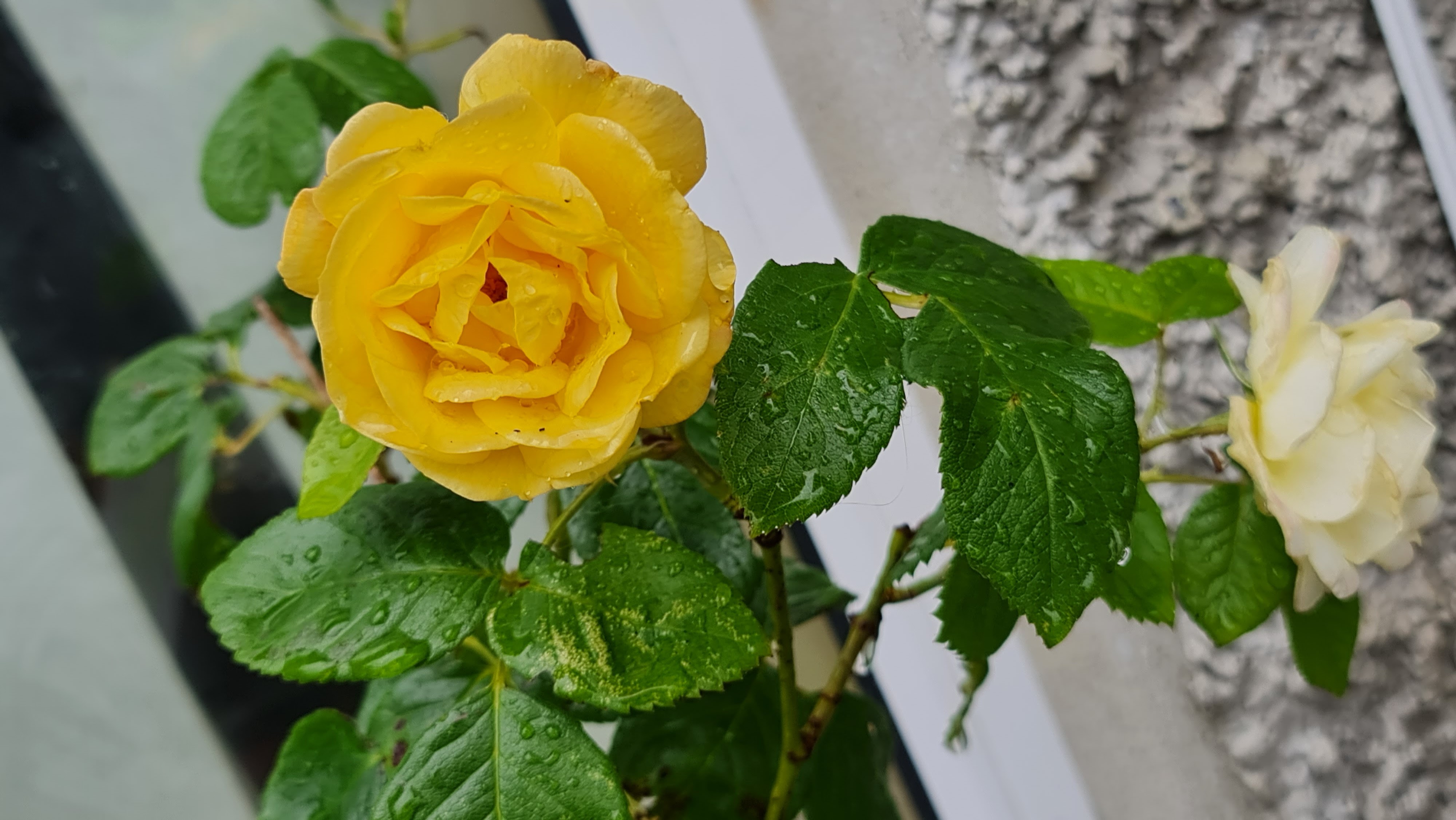
While out in the rain this morning, I spotted something odd on one of the rose bushes I inherited from my mother:
Same rose bush, different-coloured roses!
I’m pretty sure it didn’t do this for my mother, or she’d have shown me. Hopefully it’s not a problem, like lack of feeding or something.
Today, I finished up the 3rd of my Poppy Fields rolags. It’s went rather smoother than the other two, mainly because I relented on using it to learn long-draw and am instead spinning it as it comes. The sari silk is in no way blended into the rolags, it’s just randomly distributed lumps, so I just stop spinning when I come to one and winkle the silk fibres apart as much as possible to lie parallel along the single. I don’t always succeed, but the single is more consistent now and the silk slubs aren’t as huge. The drafting is a kind of short backward draw, between slubs, and not spun too tightly.
I also did some plying, weighing and measuring the length of what I’ve spun so far:
Donegal Tweed, 2 ply, approx 12wpi, 33.6m.
Mystery wool top, 2 ply, approx 20wpi, 33.4m.
Shetland moorit top, 2 ply, approx 20wpi, 54.5m.
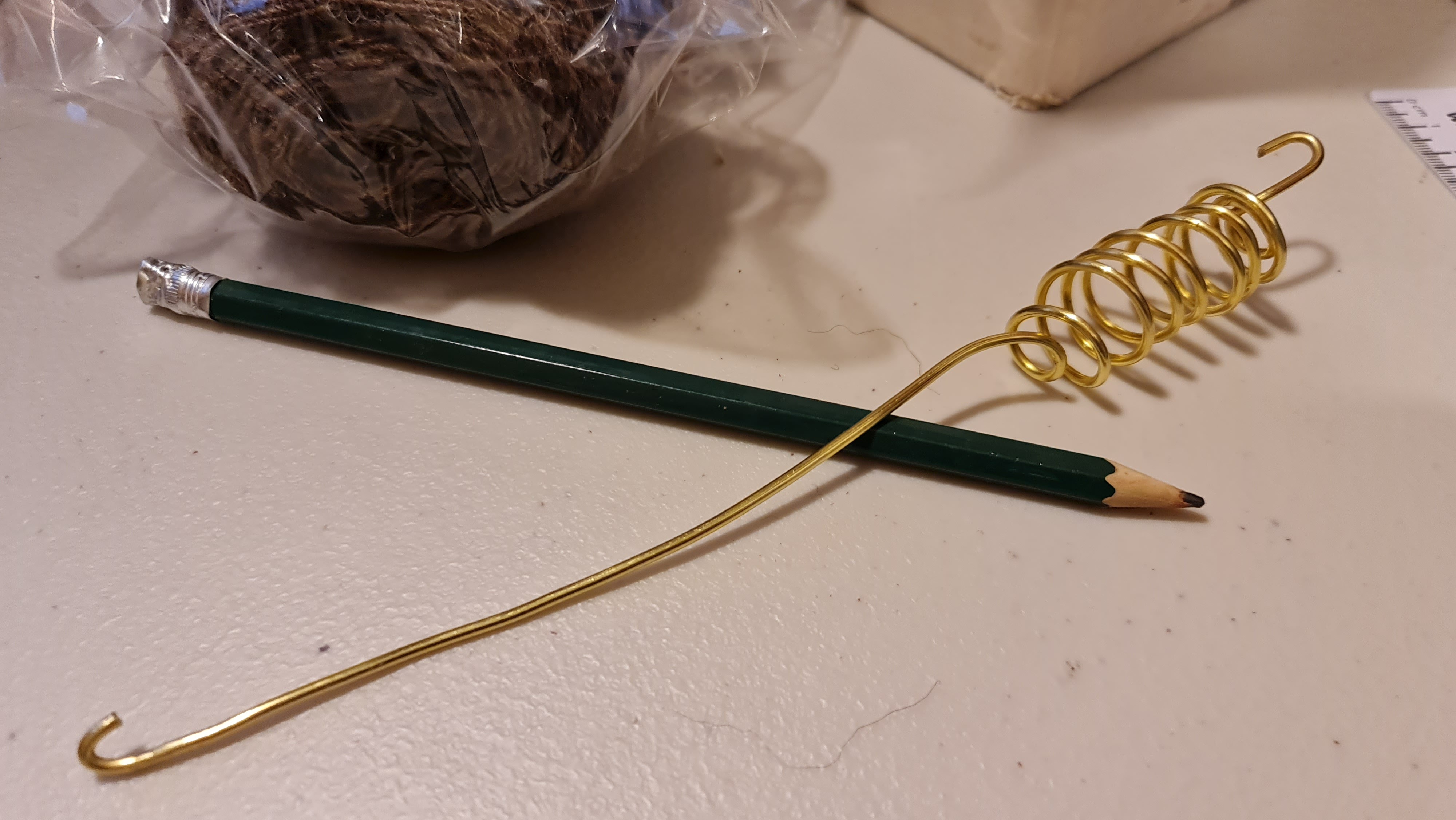
I also tired of faffing about with crochet hooks and made myself a new orifice hook with 10ga brass jewellery wire. My hands hurt after making those spirals, lemmetellya. I need to invest in some sturdier jewellery pliers.
I suspect this gaudy object will be harder to lose.
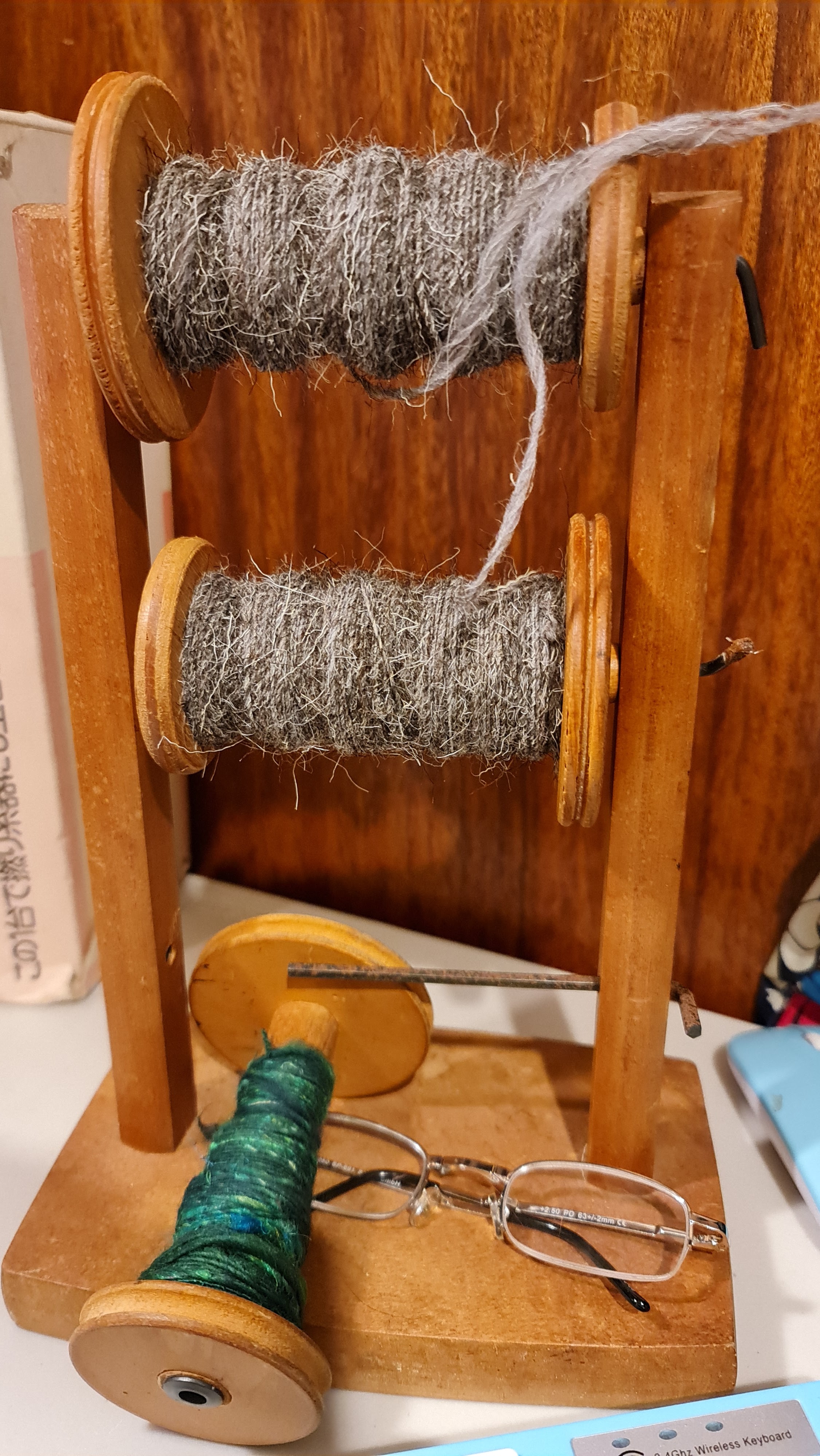
And so to bed, with a final pic of my first 2 bobbins of Herdwick/bio-nylon singles, where they’ll rest for da or so until they’re plied:
Herdygurdy and the 3rd Poppy Fields rolag awaiting plying.